
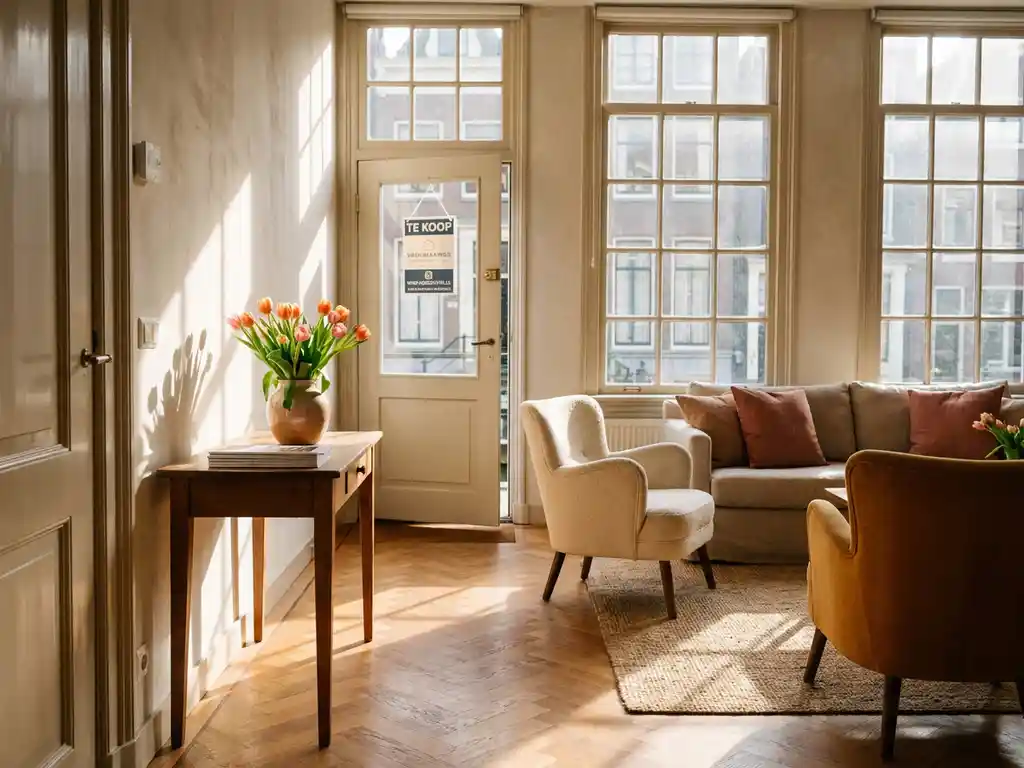
An open house is an organized viewing event where multiple interested parties can tour your home at the same time, without individual appointments. It is a widely used strategy when selling a home to reach a large number of potential buyers in a short period of time and to create a sense of urgency. In this article, we answer the most frequently asked questions about how an open house works and what you can expect.
What happens during an open house?
During an open house, interested visitors can tour your home at a set time — usually a one- to two-hour window — without making an appointment in advance. A real estate agent or the seller themselves is present to answer questions and guide visitors through the property.
In practice, an open house typically unfolds as follows: visitors check in at the entrance, may receive an information sheet with details about the property, and walk through the rooms at their own pace. The agent is on hand to answer questions about the condition of the home, the neighborhood, the asking price, and the sales process.
It is common for visitors to register in advance via an online form or the agent’s website, so you have an idea of the expected turnout. During the viewing, no pressure is placed on visitors to make an offer on the spot. Interested parties are generally given time afterward to think it over and submit a bid if they wish.
What are the benefits of an open house when selling?
An open house offers several advantages when selling a home. It attracts a large number of potential buyers at once, saves time compared to individual viewings, and can create a sense of competition that motivates buyers to act quickly and seriously.
The key benefits at a glance:
- Time efficiency: In a single morning or afternoon, you can reach dozens of interested buyers instead of scheduling weeks’ worth of individual appointments.
- Social dynamics: When multiple visitors tour the home at the same time, they notice each other’s interest. This reinforces a sense of scarcity and urgency.
- Less burden on the seller: You don’t have to prepare your home for viewings multiple times in a row.
- Greater visibility: An open house is often promoted separately through social media and property platforms, drawing additional attention.
- Faster bidding process: The concentrated interest can lead to offers coming in more quickly, speeding up the overall sales process.
Especially in an active market like Amsterdam, a well-organized open house can make the difference between a slow sale and multiple offers in a single weekend.
How do you prepare your home for an open house?
Good preparation is key to the impression your home leaves on visitors. Make sure the property is clean, tidy, and neutrally decorated so that visitors can easily picture themselves living there. A fresh, welcoming appearance significantly increases the chance of serious interest.
Practical steps to get your home ready:
- Declutter and depersonalize: Remove personal photos, excess furniture, and cluttered corners. Less is more.
- Clean thoroughly: Pay extra attention to the bathroom, kitchen, windows, and floors. Everything should look fresh and well-maintained.
- Take care of minor repairs: A loose door handle, a dripping faucet, or a damaged wall will immediately catch visitors’ attention. Fix these issues beforehand.
- Ensure good lighting: Open the curtains, turn on the lights, and create a bright, inviting atmosphere. Dark rooms feel smaller.
- Don’t neglect the exterior: First impressions start at the front door. Make sure the entrance, garden, or balcony looks neat and tidy.
- Prepare informational materials: Leave out a fact sheet with the floor plan, asking price, service charges, and relevant information about the neighborhood.
Consider creating a neutral scent as well. Avoid strong cooking smells or heavy perfumes, but a subtle hint of fresh coffee or flowers can have a positive effect on the atmosphere.
When is an open house not the best choice?
An open house is not the most effective approach in every situation when selling your home. For exclusive, high-end, or unique properties, a more selective viewing policy may work better, as the target audience is smaller and more specific.
Situations where an open house may be less suitable:
- Luxury or niche properties: Buyers of expensive or distinctive homes often expect a more personal, exclusive experience than a busy open house can provide.
- Privacy-conscious sellers: If you still live in the home and value your privacy, it can feel uncomfortable to have dozens of strangers walking through your house at once.
- Poor timing: An open house held during a quiet holiday period or in bad weather will attract fewer visitors and may create a negative impression.
- Homes with visible issues: If there are noticeable defects that have not yet been addressed, an open house increases the likelihood that multiple people will simultaneously notice and discuss the same concerns.
In these cases, targeted individual viewings with pre-screened interested parties often work better. Discuss with your agent which strategy best suits your property and situation.
What can and cannot a real estate agent do during an open house?
A real estate agent has a clearly defined role during an open house: they represent the interests of the seller and may never act on behalf of both buyer and seller in the same transaction. The agent provides visitors with honest information about the condition and features of the property.
What an agent is permitted to do:
- Guide visitors through the property and answer questions about the home and the neighborhood
- Provide information about the asking price, the bidding process, and the expected transfer date
- Collect contact details from interested parties for follow-up
- Present the property in a positive light without providing misleading information
What an agent is not permitted to do:
- Provide inaccurate or misleading information about the condition of the property or its legal status
- Act simultaneously as a representative of both the buyer and the seller in the same transaction
- Pressure visitors into making an offer on the spot
- Share confidential information about other bids in order to create artificial competition
A professional real estate agent adheres to the code of conduct of their industry association and always acts transparently toward all parties involved.
How do you increase the chances of receiving an offer after an open house?
After an open house, prompt and personal follow-up is essential for securing offers. Visitors who toured the property are at their most motivated right after the event. If you wait too long to reach out, potential buyers may lose interest or start exploring other properties.
Effective steps to take after the open house:
- Follow up quickly: Contact visitors who showed interest within 24 hours. A personal message or phone call is more effective than a standard email.
- Gather feedback: Ask visitors what they thought of the property. This gives you valuable insight and keeps the conversation going.
- Communicate a bid deadline: If there are multiple interested parties, set a clear deadline for submitting offers. This creates urgency and brings structure to the process.
- Send additional information: Provide interested parties with a complete information brochure, floor plan, and any inspection reports. The more comprehensive the information, the greater the confidence.
- Offer a second viewing: Serious buyers often want to see the property again at a more leisurely pace. Schedule this quickly to maintain momentum.
A good real estate agent actively manages this entire follow-up process and ensures that no interested party falls through the cracks.
How we help you sell your home
At Urban Homies, we guide you through the entire sales process, from strategy to key handover. We develop a personalized marketing strategy, conduct an accurate property valuation, and arrange professional photography and a compelling listing. We organize an open house when it suits your property and the market conditions in your area.
What we take care of for you:
- Property valuation and market analysis based on current data
- Professional presentation of your home, including photography and listing copy
- Organization and management of viewings, including open house events
- Negotiation of the sale price and terms
- Support through to the notary and aftercare following the transfer
Want to know what your home is worth and how we approach the sales process? View our sales guidance or contact us directly for a no-obligation conversation.