
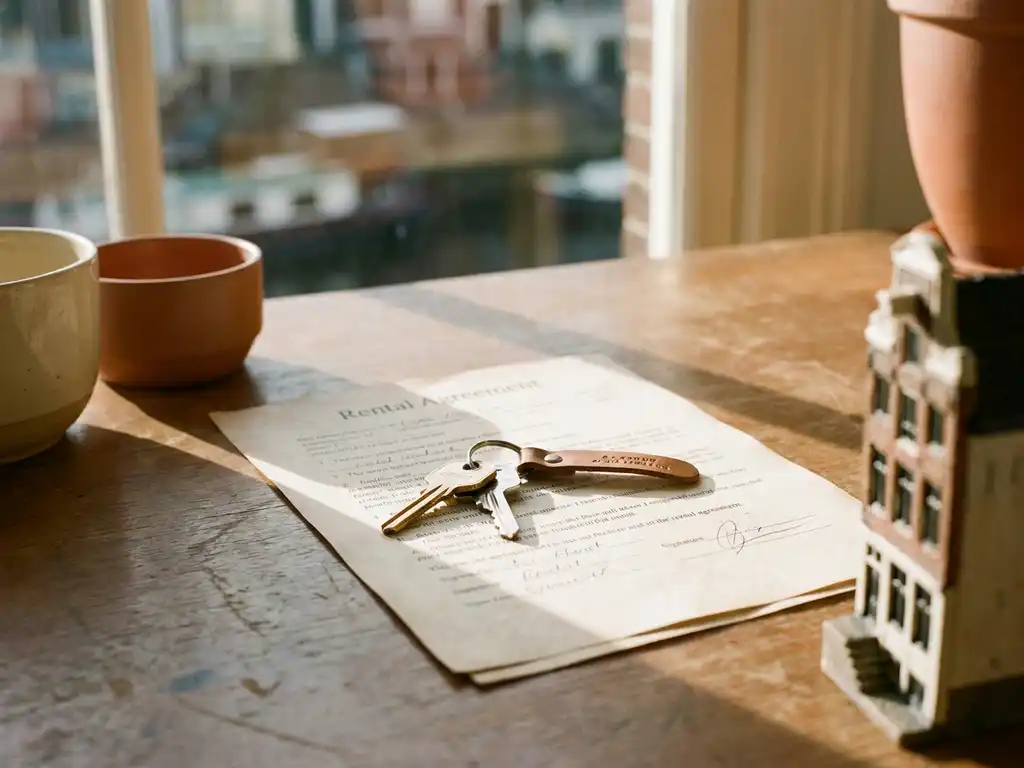
You can sell a property while a tenant is living in it. The tenant does not need to give their consent, but the rental agreement automatically transfers to the new owner. This principle is known as “sale does not break lease” and is enshrined in Dutch tenancy law. In this article, we answer the most frequently asked questions about selling a tenanted property.
What are a tenant’s rights when a property is sold?
When a property is sold, a tenant has the right to remain in their home under the existing rental agreement. The new owner automatically takes on all the rights and obligations of the previous landlord. The tenant does not need to agree to anything and cannot simply be evicted because the property changes hands.
This is governed by the “sale does not break lease” principle set out in the Dutch Civil Code. In practice, this means the following for the tenant:
- The rent remains the same unless the rental agreement includes an indexation clause
- Notice periods and tenant protections remain fully in effect
- The security deposit is transferred to the new owner
- Existing arrangements regarding maintenance and service charges carry over
Tenants are therefore in a strong legal position when a property is sold. This can make selling a tenanted property more complex than selling a vacant one, but it is certainly possible.
Do you have to inform the tenant when selling the property?
You are not legally required to inform the tenant in advance about the sale of the property. However, it is advisable to do so — and as early in the process as possible. Open communication prevents misunderstandings, makes viewings easier to schedule, and keeps the relationship on good terms.
In practice, there are strong reasons to inform the tenant in good time:
- You need the tenant’s cooperation for viewings
- A well-informed tenant is generally more cooperative
- It prevents the tenant from feeling blindsided, which can create tension
- If a right of first refusal applies, you are required to approach the tenant directly in any case
It is best to inform the tenant in writing, so you have a clear record of the communication. Explain what the sale means for them and emphasize that the rental agreement will continue as normal.
Does the tenant have a right of first refusal when the property is sold?
In the Netherlands, tenants have no statutory right of first refusal when a property is sold. This means that as a landlord, you are not required to offer the property to the tenant first. Unless this has been contractually established in the rental agreement, you are free to sell the property to a third party.
Always review the rental agreement before putting the property on the market. In some cases, a right of first refusal was included when the contract was drawn up. If that is the case, you are obliged to give the tenant the first opportunity to purchase the property — typically at market value and within an agreed timeframe.
If the tenant has no contractual right of first refusal, you can simply list the property for sale. Some landlords choose to approach the tenant first on a voluntary basis. This can speed up the sales process and avoid complications during viewings.
What is the difference between selling vacant and selling tenanted?
Selling vacant means the property is offered without an active rental agreement. Selling tenanted means the buyer takes over the existing tenant and rental agreement. This difference has a significant impact on the sale price, the target audience of buyers, and the complexity of the sales process.
| Aspect | Selling vacant | Selling tenanted |
|---|---|---|
| Sale price | Generally higher | Often lower (tenanted discount applies) |
| Target buyers | Private buyers and investors | Primarily investors |
| Speed | Depends on the market | Can be slower |
| Tenant influence | None | Significant (cooperation required) |
| Legal complexity | Lower | Higher |
A tenanted property is generally valued lower than a comparable vacant property. This is because the buyer cannot move in immediately and is dependent on the tenant. The so-called “tenanted discount” can amount to ten to twenty percent of the open market value, depending on the rent level and the remaining term of the contract.
How do viewings work when a tenant is living in the property?
When a tenant is living in the property, you as the landlord are dependent on their cooperation when scheduling viewings. Tenants are not legally required to allow viewings, but most rental agreements include a clause permitting reasonable access for this purpose.
Keep the following points in mind:
- Always consult the tenant in advance regarding times and frequency
- Give sufficient notice — a minimum of 24 to 48 hours is standard practice
- Limit the number of viewings to minimize disruption to the tenant
- Check the rental agreement for any provisions regarding viewings during a sale
A tenant who feels respected is generally far more cooperative. Some landlords offer the tenant a small payment as a token of appreciation for their cooperation. This is not required, but it can make the process run more smoothly. A good relationship with your tenant is truly your greatest asset when selling a tenanted property.
Can a new owner buy out the tenant or ask them to leave?
A new owner cannot simply require the tenant to leave after purchasing the property. The rental agreement continues as normal and the tenant retains full protection under tenancy law. The only legal ways to end the tenancy are voluntary termination, a buyout arrangement, or a court procedure based on specific legal grounds.
Voluntary departure through a buyout arrangement
The most common approach is to offer the tenant a financial payment in exchange for voluntarily ending the rental agreement. This is known as a buyout arrangement. The amount is freely negotiable and depends on factors such as the rent level, the market value of the property, and the tenant’s willingness to agree. There is no legally prescribed amount.
Court-ordered termination on statutory grounds
If the tenant is unwilling to leave and does not want to enter into a buyout arrangement, the new owner can attempt to terminate the rental agreement through the courts. This is only possible on a limited number of statutory grounds, such as:
- The new owner wishes to occupy the property themselves (urgent personal use)
- The tenant is seriously failing to meet their obligations
- Demolition or renovation that makes continued occupation impossible
Court proceedings are time-consuming and the outcome is uncertain. Judges give significant weight to the tenant’s interests. It is therefore advisable to seek legal advice before pursuing this route.
How we help with the sale of a tenanted property
Selling a property with a tenant in place requires a well-considered approach. We guide owners through this process from start to finish. This begins with an accurate valuation that takes the tenanted status of the property into account, followed by a targeted marketing strategy to find the right buyer.
What we do for you:
- Valuation including tenanted discount and market analysis
- Tailored strategy for managing communication with the tenant and prospective buyers
- Professional presentation with photography and targeted advertising
- Guidance through negotiations all the way to the notary
- Collaboration with notaries and legal advisors to ensure a legally sound transfer
Would you like to know what your tenanted property is worth and how best to approach the sales process? Get in touch with us for a no-obligation conversation. You can also read more about our sales support services and what Urban Homies can do for you.