
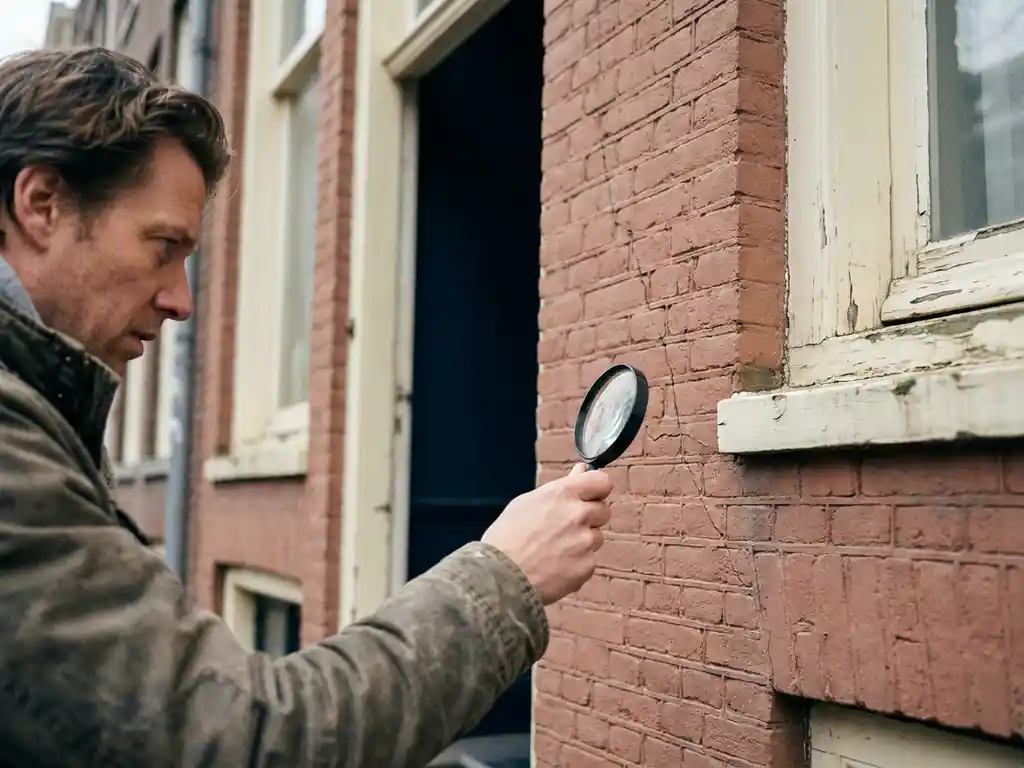
The buyer’s duty of investigation means that, as a buyer, you are required to carefully inspect a property before signing the purchase agreement. You cannot simply take the seller’s word for it — you must actively verify whether the property meets your reasonable expectations. In this article, we answer the most frequently asked questions about this duty, so you can come to the table fully prepared.
What does a buyer need to check before signing?
As a buyer, you are required to thoroughly inspect the property before signing. This means assessing the visible condition of the property, requesting and reviewing relevant documents, and consulting a specialist when in doubt. If you fail to do this, you cannot later raise issues about defects you could have discovered yourself.
Specifically, as a buyer you should at minimum check the following:
- The structural condition of the property, including the roof, foundation, walls, and systems
- The zoning plan and any possibilities for construction or renovation
- The homeowners’ association documents for an apartment, such as the annual accounts, reserve fund, and deed of division
- The land registry extract to verify ownership and any easements
- Energy labels and permits for any renovations carried out
- The presence of asbestos, particularly in properties built before 1994
In addition to the physical inspection, it is wise to explore the neighborhood, check the surrounding area for planned developments, and ideally visit the property multiple times at different times of day. Thorough preparation protects you legally and prevents unpleasant surprises after the transfer.
What is the difference between the buyer’s duty of investigation and the seller’s duty of disclosure?
The duty of investigation falls on the buyer and requires you to actively inspect the property. The duty of disclosure falls on the seller and requires them to proactively report any known defects. Both duties exist alongside each other, but in the event of a conflict, the seller’s duty of disclosure generally takes precedence.
This means that if a seller knows about a serious defect but deliberately conceals it, they cannot later argue that you should have discovered it yourself. The reverse also applies: if a defect was clearly visible during the viewing, you as the buyer will have difficulty claiming you were unaware of it.
In practice, there are situations where the line is not clear-cut. Consider a damp patch that is partially visible but whose cause remains unclear. In such cases, it is advisable to ask the seller targeted questions and have the answers confirmed in writing. This clearly establishes where responsibility lies.
Which defects fall outside the buyer’s duty of investigation?
Defects that are hidden and could not reasonably have been discovered during a normal inspection fall outside the buyer’s duty of investigation. These include problems with the foundation that are not visible without specialist examination, or concealed leaks behind wall paneling. The seller may be liable for such defects.
Defects that generally fall outside your duty of investigation include:
- Foundation problems that are not visible at the surface
- Concealed asbestos inside walls or floors that have not been opened
- Structural defects hidden behind finishes or wall paneling
- Defects that the seller has actively concealed
It is important to note that the boundary is not always black and white. In a dispute, a court will consider what a reasonable buyer in your situation could and should have discovered. The older the property, the more a buyer is expected to account for deferred maintenance — and the greater the expectation that a structural survey will be carried out.
When is a structural survey required or advisable?
A structural survey is not legally required in the Netherlands, but it is strongly recommended in many cases. Particularly for older properties, properties with visible defects, or properties where you have doubts about the condition of the roof, foundation, or systems, a survey gives you the certainty you need to make an informed offer.
A structural survey is advisable at minimum when:
- The property was built before 1980
- There are visible damp patches, cracks, or signs of subsidence
- You have limited technical knowledge of structural conditions
- You are purchasing a property without any get-out clauses
- The asking price is high and you want to limit your risk
In the current market, buyers sometimes opt for a survey before submitting an offer — in order to remain competitive without including a survey contingency clause. This gives you certainty without making your offer less attractive to the seller.
What happens if a buyer fails to meet their duty of investigation?
If a buyer fails to meet their duty of investigation, they lose the right to hold the seller liable for defects they could have discovered themselves. A court will then assess whether the defect was reasonably visible or identifiable. If so, you as the buyer bear the risk and the cost of repairs.
The consequences can be significant. In principle, you cannot dissolve the purchase agreement on grounds of non-conformity if the defect fell within your duty of investigation. Claiming damages from the seller is also virtually ruled out in that case. In the worst-case scenario, you bear the full cost of repairs yourself — costs that a timely survey could have prevented.
Bear in mind that “I didn’t notice it” is not a legally sufficient defense if the defect was visible. The law assumes that you, as a buyer, have inspected or should have inspected the property with due care.
How do you document your duty of investigation as a buyer?
You document your duty of investigation by keeping a written record of everything you have checked and asked. Retain viewing reports, email correspondence with the seller or agent, the structural survey report, and all documents received. This demonstrates after the fact that you acted as a diligent buyer.
Practical steps to properly document your investigation:
- Take notes during every viewing and record what you observed and asked
- Submit questions in writing via email or through the agent, so that responses are traceable
- Have a structural survey carried out and keep the report in a safe place
- Request all relevant documents and confirm receipt in writing
- Record agreements and commitments in the purchase agreement or as an attachment
Good documentation not only protects you legally, but also gives you a clear picture of the condition of the property at the time of purchase. Should a dispute arise later, a well-organized file is your strongest evidence.
How we help you sell your property
At Urban Homies, we understand that selling a property is about more than placing an advertisement. We guide you from start to finish: from the valuation and marketing strategy through to the negotiations and the final transfer at the notary. We also ensure that all documentation relating to the property is in order, so that buyers can carry out their duty of investigation and the sales process runs smoothly.
What we do for you as your selling agent:
- Professional valuation based on current market data
- Full presentation with professional photography and targeted advertising
- Guidance through negotiations and contract drafting
- Legal and notarial support through our network of specialists
- Personal guidance from a dedicated homie throughout the entire process
Want to know what your property is worth or how we approach your sales journey? Get in touch with us for a no-obligation conversation. We are happy to think things through with you.