
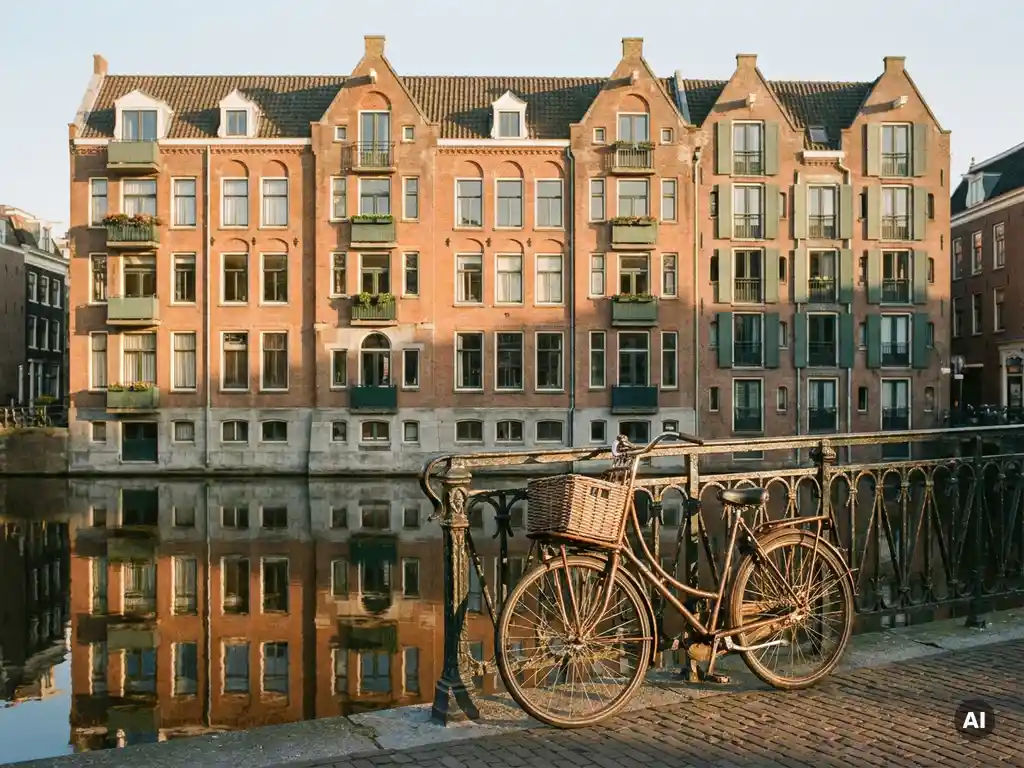
The Netherlands is a relatively expensive country to live in, especially compared to many other European countries. High rental prices, taxes, and cost of living weigh heavily, but these are offset by a strong infrastructure, excellent healthcare, and a high quality of life. Whether the Netherlands is expensive for you depends greatly on your income, your lifestyle, and the city where you live. In this article, we answer the most frequently asked questions about housing costs, cost of living, and smart saving as an expat in the Netherlands.
What are the average housing costs in the Netherlands?
Average housing costs in the Netherlands vary significantly by city and type of property. In Amsterdam, a furnished rental property quickly costs between €1,800 and €3,000 per month, depending on size and location. Outside the major cities, rental prices are considerably lower, often between €1,000 and €1,800 per month.
In addition to rent, there are fixed monthly costs. Think of utilities such as gas, water, and electricity, which average €150 to €250 per month for an apartment. Municipal taxes, such as waste disposal and sewage charges, add another €20 to €40 per month. Those with a car should also factor in parking costs, which in Amsterdam are among the highest in Europe.
When renting a property in the Netherlands, it is common to pay a security deposit of one to two months’ rent. This is a one-time expense to keep in mind at the start of your rental period.
Need a local Homie?
Share your plans with us and discover how we can help with your home, move or relocation in the Netherlands.
How much money do you need to live comfortably in the Netherlands?
To live comfortably in the Netherlands as a single person, you need on average between €2,500 and €3,500 per month net. This amount covers rent, groceries, transportation, insurance, and leisure activities. For a family with children, this is considerably higher, partly due to additional costs for childcare, schooling, and a larger home.
A rough monthly cost estimate for a single expat in Amsterdam looks as follows:
- Rent: €1,800 to €2,500
- Groceries: €300 to €450
- Transportation (public transit or car): €100 to €250
- Health insurance: €130 to €160
- Utilities: €150 to €250
- Leisure and dining out: €200 to €400
Outside Amsterdam, in cities such as Almere or Haarlem, you can get by with €500 to €800 less per month, primarily due to lower rental prices. It therefore pays to consciously choose your place of residence based on your budget.
Is Amsterdam more expensive than other Dutch cities?
Yes, Amsterdam is by far the most expensive city in the Netherlands. Rental prices are on average 30 to 50 percent higher than in cities such as Utrecht, Rotterdam, or The Hague. This is due to the high demand for housing, limited availability, and the city’s international appeal.
For comparison: for a one-bedroom apartment you quickly pay €2,000 per month in Amsterdam, while for the same type of property in Rotterdam or Utrecht you often pay €1,300 to €1,600. Cities such as Almere and Haarlem, which are easily accessible from Amsterdam, offer an attractive alternative for expats who want to live in the region but pay less.
The costs of daily life, such as dining out and leisure activities, are also higher in Amsterdam than elsewhere in the country. Those who are flexible in their choice of residence and willing to commute can save significantly on total housing costs.
How does the standard of living in the Netherlands compare to other European countries?
The Netherlands is among the countries with the highest standard of living in Europe. The country scores highly in healthcare, education, safety, and infrastructure. Although the cost of living is higher than in Southern and Eastern Europe, it is comparable to countries such as Belgium, Germany, and Denmark.
What sets the Netherlands apart is the combination of a well-functioning public transportation system, excellent healthcare, and a strong labor market. For expats relocating to the Netherlands, the country also offers an internationally oriented environment, with extensive English-language services and a large network of international schools.
Compared to countries such as Switzerland or Norway, the Netherlands is relatively affordable. Compared to countries such as Spain or Portugal, costs are higher, but so are average salaries and working conditions.
What are the biggest expenses for expats in the Netherlands?
For expats, rent, health insurance, and childcare are the three biggest expenses in the Netherlands. Rent takes up by far the largest portion of the monthly budget. Health insurance is mandatory for everyone living and working in the Netherlands, and costs on average €130 to €160 per month for a basic package.
Childcare is a significant expense for families. Costs amount to €1,000 to €1,500 per child per month, depending on the number of sessions and the type of care. The Dutch government offers a childcare allowance, but the amount depends on your income and family situation.
Other relevant expenses for expats include:
- International school: €10,000 to €25,000 per year per child
- Furnishing costs: for an unfurnished property, these can add up quickly
- Tax advice: for a correct tax return in the Netherlands, especially in the first year
- Transportation: a car is expensive due to road tax, insurance, and fuel
How can you save on housing costs as an expat in the Netherlands?
As an expat, you can save on housing costs by living outside the city center, choosing a furnished property, and making use of available allowances. Choosing a neighborhood slightly outside the center or a neighboring city makes a big difference in rental price, without sacrificing much in terms of accessibility.
Practical ways to reduce costs:
- Choose a well-connected suburb or neighboring municipality such as Amstelveen or Haarlem instead of Amsterdam Centrum.
- Apply for allowances you are eligible for, such as housing benefit, healthcare allowance, or childcare allowance.
- Use public transportation instead of a car, especially in cities with a good public transit network.
- Actively compare energy contracts, as rates differ considerably between providers.
- Negotiate the rental price or included services when signing a rental contract.
The 30% ruling can also offer a major financial advantage for many expats. This tax exemption allows employers to pay 30 percent of the salary tax-free as compensation for extraterritorial costs, which significantly increases net take-home pay.
How we help with an affordable and smooth relocation to the Netherlands
Managing costs starts with the right information and finding the right property. At Urban Homies, we connect you with a personal homie who knows the local market inside and out. We help you not only find a suitable property within your budget, but also with negotiating the rental price, reviewing the rental contract, and arranging practical matters such as utilities and municipal registration. This way, you know exactly where you stand, with no surprises afterwards.
Moving to Amsterdam or another Dutch city also involves administrative steps, such as applying for a BSN or, for non-EU expats, an IND procedure. We guide you through the entire immigration process and work together with tax specialists and immigration lawyers to ensure everything is handled correctly and quickly. Ready to prepare your move to the Netherlands properly? Contact us and we will start together with a personal intake consultation.
Need a local Homie?
Share your plans with us and discover how we can help with your home, move or relocation in the Netherlands.