
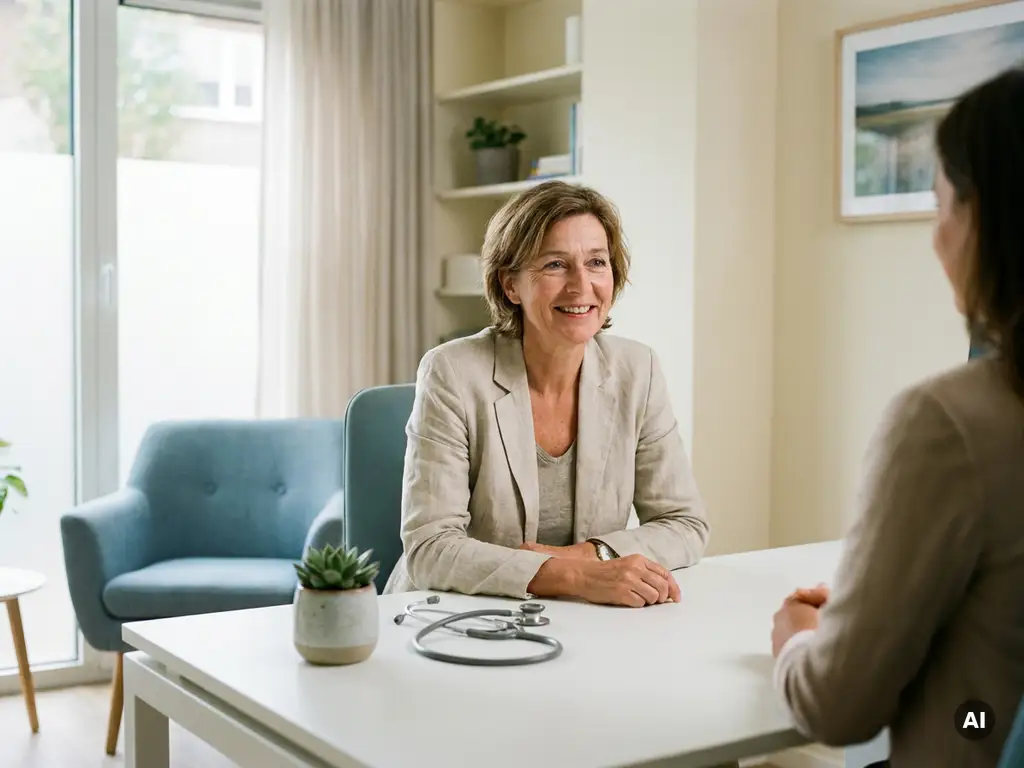
Visiting a GP in the Netherlands works differently than in many other countries. The GP is the central gatekeeper of the Dutch healthcare system: you go there for almost all non-emergency complaints, and only through the GP can you get a referral to a specialist. For expats who have just moved to the Netherlands, it is important to understand this system quickly. In this article, we answer the most frequently asked questions about how a GP visit in the Netherlands works.
How do you register with a GP in the Netherlands?
You register with a GP by contacting a GP practice in your area directly and asking whether they are accepting new patients. You can do this by phone or through the practice’s website. You will need your BSN (Burgerservicenummer), a valid ID, and your health insurance card.
In large cities such as Amsterdam, it can sometimes be difficult to find a GP who is still accepting patients, as practices have a maximum capacity. Start looking as soon as possible after arrival. Use the search function on zorgkiezer.nl or ask your employer or landlord for a recommendation for a practice nearby.
Keep in mind that you must first register with the municipality in order to apply for a BSN, and that you need a BSN to take out health insurance. Make sure you go through these steps in the correct order after arriving in the Netherlands.
How do you make an appointment with a GP?
You make an appointment with a GP by phone, through the practice’s website, or sometimes via a patient portal such as MijnGezondheid.net. You typically call early in the morning, as most same-day appointments are scheduled at that time. For non-urgent complaints, you can also make an appointment for a later date.
When you call, the assistant will briefly ask about your complaint. This is normal in the Netherlands: the practice assistant has triage training and helps determine how quickly you need to be seen. Be clear and concise in your explanation.
There are three types of contact moments you can request:
- Regular consultation at the practice, usually 10 minutes
- Telephone consultation for simple questions or repeat prescriptions
- Urgent consultation for urgent complaints that require attention the same day
What can you expect during a GP consultation?
During a GP consultation, you discuss your complaint and the doctor asks questions to get a clear picture of your situation. A standard consultation lasts approximately 10 minutes. The GP will examine you if necessary, make a diagnosis, and decide whether treatment, a prescription, or a referral to a specialist is needed.
Dutch GPs work according to the principle of “watchful waiting”: they do not always prescribe medication immediately, but sometimes advise waiting to see how things develop. This may take some getting used to for expats from countries where medication is prescribed more quickly. Trust that this is a deliberate, evidence-based approach.
Always bring the following to your first visit:
- Your ID
- Your health insurance card
- An overview of any medication you are already taking
- Relevant medical documents from your home country, if applicable
Is a GP visit covered by Dutch health insurance?
Yes, a visit to the GP is fully covered by the basic insurance in the Netherlands, and your deductible (eigen risico) does not apply to it. This applies to all residents with Dutch health insurance, including expats. You therefore pay nothing for a GP consultation, even if you have not yet used up your deductible.
In the Netherlands, everyone who lives and works here for more than four months is required to take out basic insurance. In 2026, the cost of basic insurance averages between €130 and €160 per month, depending on the insurer and the chosen package. People with a lower income may be eligible for healthcare allowance (zorgtoeslag).
Can a GP in the Netherlands also help in English?
Many GPs in the Netherlands, especially in cities like Amsterdam, can help you perfectly well in English. The level of English in the Netherlands is generally high, and in international cities there are even practices specifically aimed at expats and English-speaking patients.
If you want to be sure that the practice is English-speaking, search via iamexpat.nl or ask your employer or HR department for a recommendation. Some health insurers also offer a list of English-speaking healthcare providers through their customer portal.
Outside the major cities, it can be more difficult to find a fully English-speaking practice. In that case, you can use a translation app during the consultation, or bring someone who can help you translate.
What are the alternatives if you do not have a GP?
If you have not yet found a GP and you need medical help, there are a few alternatives. For emergency situations, go to the Emergency Department (ED) of a hospital or call 112. For urgent but non-life-threatening complaints outside office hours, you can go to the out-of-hours GP service (huisartsenpost / HAP).
Other options include:
- Out-of-hours GP service (HAP): reachable via 0900-8811 outside office hours for urgent complaints
- Online doctor: platforms such as Dokter.nl or Livi offer digital consultations, sometimes also in English
- Pharmacy: for minor complaints, a pharmacist can give advice on over-the-counter medications
- GGD: for specific matters such as vaccinations or sexual health
Keep in mind that the HAP is not a replacement for a regular GP and is only intended for situations that cannot wait until the next working day.
How we help you settle in the Netherlands
Finding a GP is just one of the many practical steps you need to take after arriving in the Netherlands. We understand that moving to the Netherlands involves much more than just finding a home. Think of municipal registration, applying for a BSN, taking out health insurance, and finding your way in a new system. If you go through all these steps in the right order, your arrival will go much more smoothly.
We connect you with a personal homie who guides you from before arrival to long after the move. From expat housing and legal support to practical matters such as utilities and municipal registration: we sort it all out together with you. Want to know how we can support your move to Amsterdam or another Dutch city? Contact us for a personal conversation.