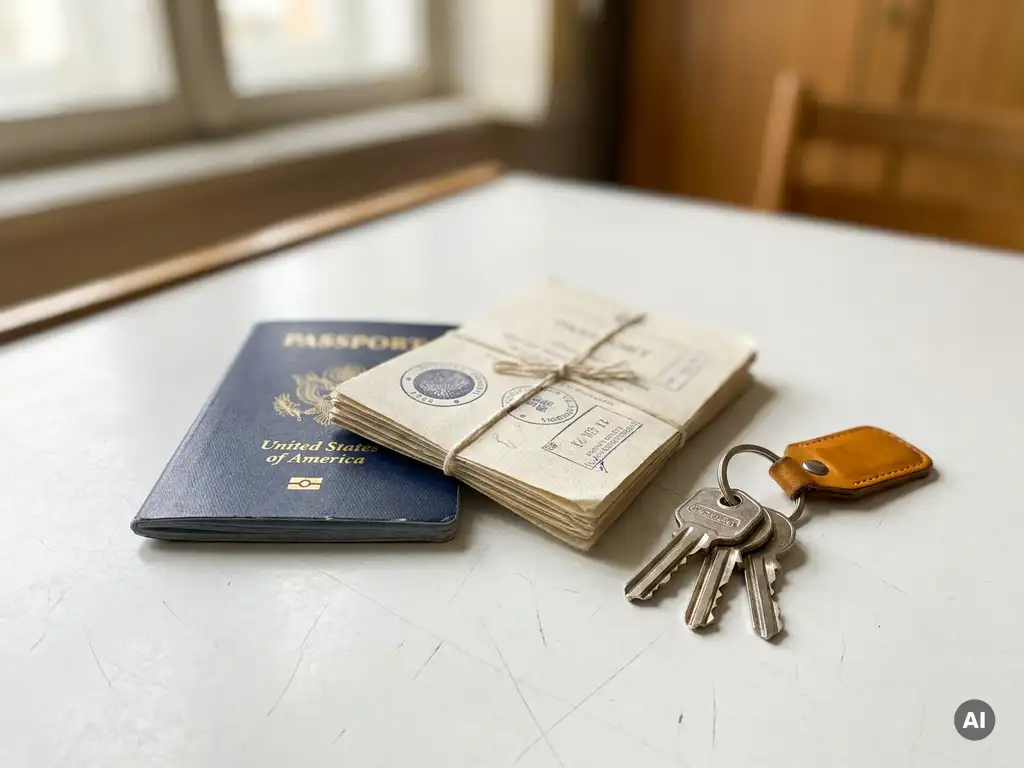
To register with the municipality in the Netherlands, you need a valid identity document, proof of your residential address in the Netherlands, and a valid residence document. Which documents are exactly required depends on your nationality and living situation. This article answers the most frequently asked questions about the registration process with the Personal Records Database (BRP), so you are well prepared when you move to the Netherlands.
Which documents are required for BRP registration?
For BRP registration with the municipality, you need at least three categories of documents: a valid identity document (passport or ID card), proof of your residential address in the Netherlands (such as a rental agreement or a declaration from your landlord), and depending on your nationality a residence permit or visa. Make sure all documents are original and valid on the day of your appointment.
For most municipalities, the following document list applies:
- Passport or national ID card (for EU citizens, an ID card is sufficient)
- Rental agreement or proof of ownership of your home in the Netherlands
- Proof of residence status, such as a residence permit (for non-EU citizens)
- Birth certificate, sometimes required, preferably with an apostille and certified translation
- Marriage certificate or partnership certificate, if applicable
Please note that municipalities may differ slightly in their exact requirements. Therefore, always check the website of your specific municipality before making an appointment. Many municipalities work exclusively by appointment, so schedule one as early as possible after your arrival.
How does the municipal registration process work step by step?
The municipal registration process follows a number of fixed steps: you make an appointment, gather your documents, visit the municipality, and then receive your BSN number. The entire process takes an average of one to two weeks from arrival to registration, depending on the municipality and the availability of appointments.
- Make an appointment via your municipality’s website. Do this as soon as possible after arrival, as waiting times can be lengthy.
- Gather your documents as described in the previous section. Check that everything is valid and complete.
- Go to the town hall at the agreed time. Bring all original documents, not copies.
- Submit your details at the counter. A staff member will process your registration and verify your documents.
- Receive your BSN number. This citizen service number is sometimes issued on the spot, but in many cases sent by post within one to two weeks.
Your BSN number is required for almost everything in the Netherlands: opening a bank account, taking out health insurance, working for an employer, and paying taxes. Make sure you complete this process as quickly as possible after arrival so you do not experience delays with other practical matters.
What is the difference between registering as an EU and non-EU expat?
The main difference is that EU citizens can register with only their passport or ID card and proof of residential address, while non-EU citizens must also provide a valid residence permit or other residence document. For non-EU expats, municipal registration is therefore directly linked to the IND procedure.
Registering as an EU citizen
As an EU citizen, you have the right to live and work in the Netherlands without a separate residence permit. You only need to demonstrate that you actually live in the Netherlands. A rental agreement in your name or a declaration from the landlord is sufficient in most cases as proof of address. The process is therefore relatively straightforward and quick.
Registering as a non-EU citizen
As a non-EU expat, you must first have a valid residence permit before you can register with the municipality. This means you must have already (partially) completed the IND procedure. Some residence permits, such as the highly skilled migrant permit, are applied for through the employer. Make sure your residence document is valid at the time of registration, otherwise the municipality will not accept your application.
When do you need to register after arriving in the Netherlands?
You are required to register with the municipality within five days of arriving in the Netherlands, if you plan to stay for more than four months. In practice, municipalities sometimes apply slightly more flexible timeframes, but it is advisable to register as soon as possible to avoid fines and delays.
If you wait too long to register, you risk not receiving a BSN number in time for your first salary payment, your health insurance, or opening a bank account. Especially if you are moving to the Netherlands for work, a delay in your registration can have direct financial consequences. Therefore, schedule your appointment with the municipality preferably before your departure or on the first day after arrival.
What if your rental agreement is not yet ready at the time of registration?
If your rental agreement is not yet available at the time of registration, in many municipalities you can use a declaration from the landlord or primary tenant as an alternative proof of address. Some municipalities also accept a hotel reservation or temporary accommodation confirmation as temporary proof, but this varies by municipality.
A commonly used solution is to first register at a temporary address, such as that of your employer or an acquaintance, and change this later once your permanent home becomes available. Address changes can be submitted via the municipality’s website or at the counter. Make sure your address details are always up to date in the BRP, as government agencies and the Tax Authority communicate via the registered address.
Have no address available at all? In some cases you can apply for a postal address. This is an address where you receive mail, but where you do not actually live. Check with your municipality whether this is possible and what conditions apply.
How we help with municipal registration and immigration
At Urban Homies, we guide you through the entire registration process, from gathering the right documents to making the appointment with the municipality and applying for your BSN number. For non-EU expats, we also coordinate the IND procedure and the visa application process, so your residence status is in order before you register. We work with short lines of communication and always set realistic expectations, so you know exactly where you stand.
- Guidance with municipal registration and BSN application
- Support with IND procedures and residence permits
- Collaboration with immigration lawyers for tailored legal advice
- Coordination of temporary housing if your home is not yet available
Whether you are moving to the Netherlands as an individual or as an employee through your employer: we ensure your registration goes smoothly and that you can get started in your new life as quickly as possible. Get in touch and tell us your situation, and we will look together at what we can arrange for you.