
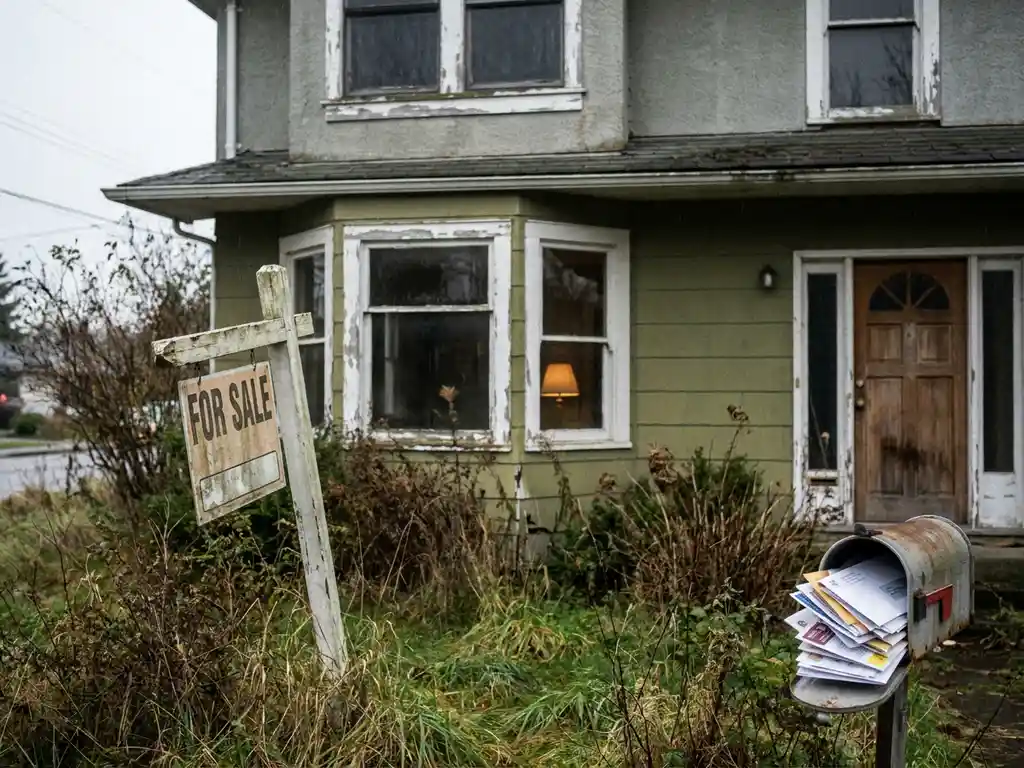
The most common mistakes when selling a house are an incorrect asking price, poor presentation, incomplete documentation, and weak negotiation tactics. These mistakes cost sellers not only time, but also money. In this article, we answer the most frequently asked questions about common selling mistakes so you can avoid them.
Which mistakes cost sellers the most money?
The most expensive mistakes when selling a home are setting the asking price too high or too low, making a poor first impression through inadequate presentation, and underestimating legal obligations. Sellers who enter the market without proper preparation risk a longer time on the market and a lower final sale price.
In practice, we see that sellers lose the most money due to:
- Emotional pricing: setting the asking price too high because of personal attachment to the property
- Poor photography: buyers drop off online before ever requesting a viewing
- No market research: not knowing what comparable homes in the area are selling for
- Accepting too quickly: taking the first offer without negotiating
- Legal errors in the purchase contract: missing clauses or incorrect information that causes problems down the line
All of these mistakes can be prevented with the right preparation and knowledge of the housing market.
Why is an incorrect asking price so risky?
An incorrect asking price is risky because it directly determines how many buyers you attract and how quickly your home sells. Price it too high and you’ll scare off serious buyers. Price it too low and you’ll leave money on the table. Either way, you end up at a financial disadvantage when selling your home.
A property that sits on the market for too long raises suspicion. Potential buyers start to wonder what’s wrong with it — even when the answer is simply “the asking price was too high.” This significantly weakens your negotiating position.
A realistic asking price should be based on:
- Recent sale prices of comparable homes in the area
- Current market conditions (supply shortages, interest rates, supply and demand)
- The condition and location of the property
- A professional valuation by a real estate agent
A good asking price isn’t a guess — it’s the result of thorough market research.
How does a home’s presentation affect the sale price?
A home’s presentation has a direct impact on the sale price, because buyers form their first impression based on photos and the initial viewing. A home that looks well-maintained and spacious attracts more interested buyers and more frequently generates multiple offers, which drives the price up.
Research in the real estate sector consistently shows that professional photography and good styling shorten the time on the market and have a positive effect on the final sale price. Concretely, this includes:
- Decluttering and depersonalizing: fewer belongings make spaces feel larger and more neutral
- Carrying out minor repairs: a dripping faucet or damaged wall will immediately catch a buyer’s eye
- Professional photography: poor photos cost you viewings
- Good lighting: both in photos and during viewings
- A compelling listing description: one that speaks to the right buyers and highlights the property’s strengths
Don’t overlook the exterior either. The front of the house, garden, or entryway is the first thing a buyer sees in person. A good first impression is hard to recover once it’s been lost.
When is it a smart idea to hire a real estate agent?
Hiring a real estate agent is a smart move as soon as you want to sell a property for the highest possible price, without unnecessary delays or legal risks. An agent adds value through market knowledge, negotiation experience, and a professional sales process. Without guidance, you risk making mistakes that end up costing you more than the agent’s commission.
A real estate agent is definitely recommended when:
- You have little experience with property transactions
- Your home is in a competitive market
- You want to sell quickly without compromising on price
- You’re not sure what a realistic asking price looks like
- You’re not fully comfortable handling the legal documentation
A good real estate agent pays for themselves by achieving a higher sale price and preventing mistakes that would otherwise prove costly.
What legal mistakes do sellers make when drawing up the purchase contract?
When drawing up a purchase contract, sellers often make legal mistakes through missing or incorrect clauses, incomplete disclosure obligations, and failing to mention known defects. These mistakes can lead to liability, damage claims, or even the reversal of the sale.
The most common legal mistakes are:
- Ignoring the disclosure obligation: as a seller, you are required to disclose known defects. Failing to do so can make you liable after the transfer of ownership
- Forgetting contingency clauses: such as financing conditions or a structural survey clause. Without these, a buyer can hold you to the contract even if their financing falls through
- Incorrect floor area data: discrepancies can lead to claims after the fact
- No clear agreements about the handover: what stays, what goes, and in what condition?
- Drawing up a contract yourself without legal knowledge: a property purchase contract is a legal document with significant financial consequences
Always have the purchase contract drawn up or reviewed by a licensed real estate agent or notary. This prevents problems that are difficult and costly to resolve after the transfer of ownership.
How do you avoid negotiation mistakes when selling your home?
You avoid negotiation mistakes by keeping emotion out of the process, setting your minimum price in advance, and not responding too quickly to an initial offer. Sellers who negotiate impulsively or are too attached to their asking price often end up with a worse deal than necessary.
Practical tips for negotiating from a position of strength:
- Set your floor price in advance: know the minimum you’re willing to accept before the conversation begins
- Don’t respond immediately: take time to consider an offer, even if it seems attractive
- Look beyond the price: the handover date, included fixtures, and contingency clauses are all negotiable too
- Avoid sharing too much information: you don’t need to reveal why you’re selling or how quickly you need to move
- Get professional support: an experienced agent knows the typical margins and understands when to push and when to concede
Good negotiation is a skill. Without experience, there’s a real chance you’ll leave money on the table or agree to unfavorable terms.
How we help you sell your home
At Urban Homies, we guide you through the entire sales process, from strategy to closing. We prevent the mistakes that cost sellers the most by applying a structured approach tailored to your situation and the current market.
What we do for you:
- Valuation and market research: a realistic asking price based on current market data
- Professional presentation: photography and a custom listing that attracts the right buyers
- Full sales support: from the initial strategy consultation to signing at the notary
- Negotiation support: we negotiate on your behalf for the best possible outcome
- Legal certainty: we work with notaries and attorneys to ensure the purchase contract is watertight
Want to sell your home without unnecessary mistakes and with the confidence of professional guidance? View our sales support services or contact us for a no-obligation conversation.