
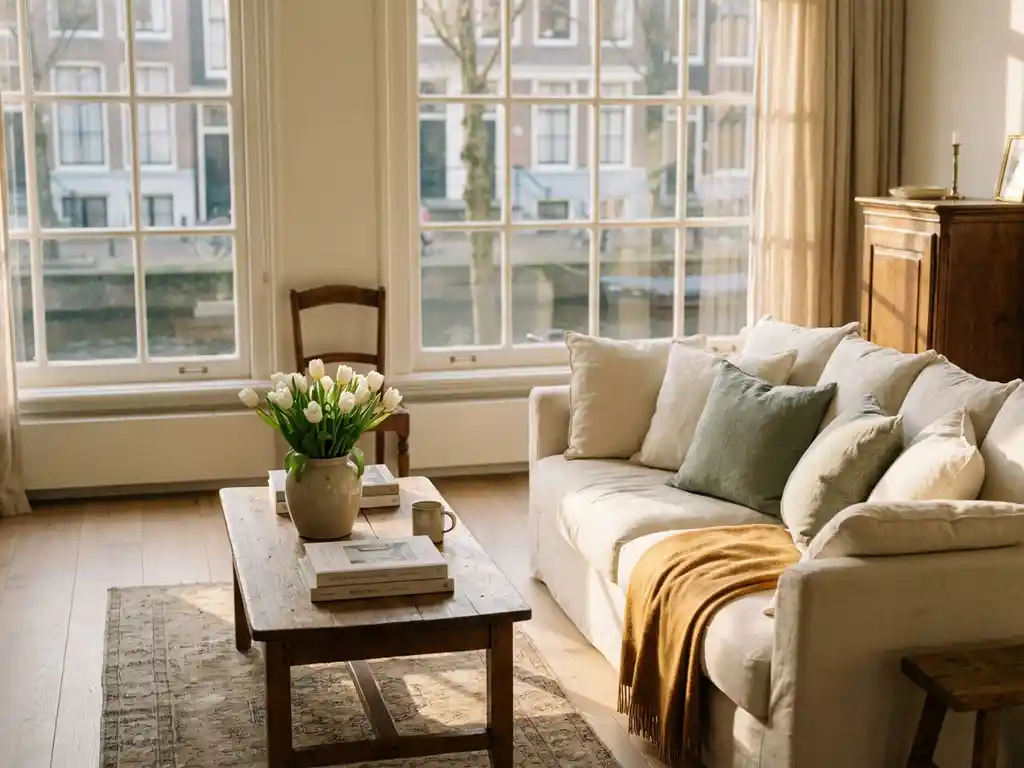
Home staging increases your selling price by making a property visually more appealing to potential buyers, resulting in more viewings and faster, higher offers. It involves strategically furnishing and presenting a home so that buyers feel at ease the moment they walk in. In this article, we answer the most frequently asked questions about home staging, from costs to practical preparation.
How much more can home staging get you?
On average, home staging results in a higher selling price than an unstaged property, with the difference in practice ranging from a few percent to sometimes more than ten percent of the asking price. In addition, staged homes typically sell faster, which reduces negotiating pressure and strengthens your position as a seller.
The exact amount depends on the condition of the property, the local market, and the quality of the staging. In a competitive market, where buyers are viewing multiple properties at once, a strong first impression makes a tangible difference. A home that looks great in photos and during viewings attracts more interested parties. More interest means more competition among bidders, and that drives the price up.
Staged homes also reduce the risk of lengthy time-on-market periods. A property that sits unsold for a long time raises doubts in buyers’ minds. Staging helps you avoid that situation by making a strong entry onto the housing market.
Which rooms benefit most from staging?
The living room, kitchen, and bedroom benefit most from home staging, as these are the spaces that carry the most weight in a buyer’s decision. The living room sets the first impression after entering, the kitchen is a deciding factor for many buyers, and the bedroom needs to convey a sense of calm and space.
Beyond these three rooms, the entryway should not be underestimated. The hallway is the first thing a buyer sees and sets the tone for the rest of the viewing. A tidy, bright entrance with a neutral scent makes an immediately positive impression.
Bathrooms deserve attention too. Small touches such as clean grout, fresh towels, and the removal of personal toiletries instantly make a bathroom feel fresher and more inviting. Outdoor spaces such as gardens, balconies, and terraces are becoming increasingly important to buyers and should not be overlooked during preparation.
What is the difference between home staging and simply tidying up?
Home staging is a targeted presentation strategy in which furniture, colors, lighting, and décor are used to make a property as appealing as possible to the target audience. Simply tidying up means removing clutter and personal belongings. Staging goes further: it is about how a space looks, feels, and what it communicates to potential buyers.
When you tidy up, you remove what does not belong. When you stage, you add what is missing. Think of placing a mirror to make a small room appear larger, using neutral cushions to make a sofa more inviting, or positioning lighting strategically to brighten a dark corner.
Another important distinction is the target audience. Home staging takes into account who is likely to buy the property. A family home in a quiet neighborhood is presented differently than a city apartment aimed at young professionals. Tidying up is neutral. Staging is purposeful.
Should you hire a professional home stager or can you do it yourself?
You can carry out home staging yourself if you have a good eye for interior design and are willing to look at your own home objectively. However, a professional home stager is valuable when your property is vacant, when you find it difficult to set aside your personal taste, or when the home has been on the market for some time without results.
Doing the staging yourself works well if you follow these steps:
- Remove personal photos and eye-catching décor
- Opt for neutral colors on walls and textiles
- Maximize natural light by keeping curtains open and using lamps
- Clear out cupboards and countertops so that space is visible
- Add a few neutral decorative elements such as plants or candles
A professional stager brings a fresh perspective and has experience with what appeals to buyers in your market. In many cases, the cost of a stager is outweighed by the higher selling price it generates. Always request a quote and compare it with what you can achieve on your own.
Does home staging work for rental properties or only for sales?
Home staging works for rental properties too, though the goal is slightly different. When selling, you want to create an emotional connection so that buyers make an offer. When renting, you want tenants to decide quickly and for the property to justify a higher rental price. Staging helps in both cases by presenting the property more attractively in photos and during viewings.
For rental properties, staging is particularly valuable for photography used in listings. Platforms where rental properties are advertised are visually driven. An attractively presented home attracts more inquiries, allowing landlords to be more selective when choosing a tenant.
For furnished rentals, staging is almost standard practice. The interior is part of the product you are renting out. A well-presented apartment rents faster and can justify a higher rental price than an identical but poorly presented one.
How do you prepare a property for home staging?
You prepare a property for home staging by first depersonalizing it, then repairing and cleaning, and finally furnishing it with the target audience in mind. These three consecutive steps together determine whether staging will be effective.
Follow this step-by-step plan for thorough preparation:
- Depersonalize: Remove family photos, personal collections, and distinctive artwork. Buyers need to be able to picture themselves in the home, not you.
- Fix minor defects: A loose door handle, a scuff on the wall, or a broken light bulb will catch a buyer’s eye immediately. Address these before you start staging.
- Clean thoroughly: Clean windows, fresh air, and an odor-free home are basic requirements. Consider professional cleaning of carpets or floors.
- Optimize the layout: Remove excess furniture so that rooms appear larger. Make sure traffic flow is logical and unobstructed.
- Add atmosphere: Neutral décor such as plants, candles, or a fresh bunch of flowers makes a home feel inviting without being overwhelming.
- Check the exterior: The front door, garden, or balcony is the first thing a visitor sees. Make sure the outside presentation is just as strong.
After completing these steps, your home is ready for professional photography, which is the starting point of a successful sales presentation.
How we help you sell your home
At Urban Homies, we guide you through the entire sales process, from the initial valuation to the signing at the notary. We develop a personalized marketing strategy, arrange professional photography, and ensure your property is presented in the best possible way to potential buyers. Our approach is hands-on and personal: you are assigned a dedicated advisor who knows the market in your area and actively guides you on presentation and pricing strategy.
What we do for you as your selling agent:
- Valuation based on current market analysis
- Advice on the presentation and staging of your property
- Professional photography and a tailored listing
- Support during negotiations and legal proceedings
- Aftercare following the transfer of ownership
Want to know what your property is worth and how we can help you achieve a successful sale? Get in touch and we will discuss the options with you, no strings attached.