
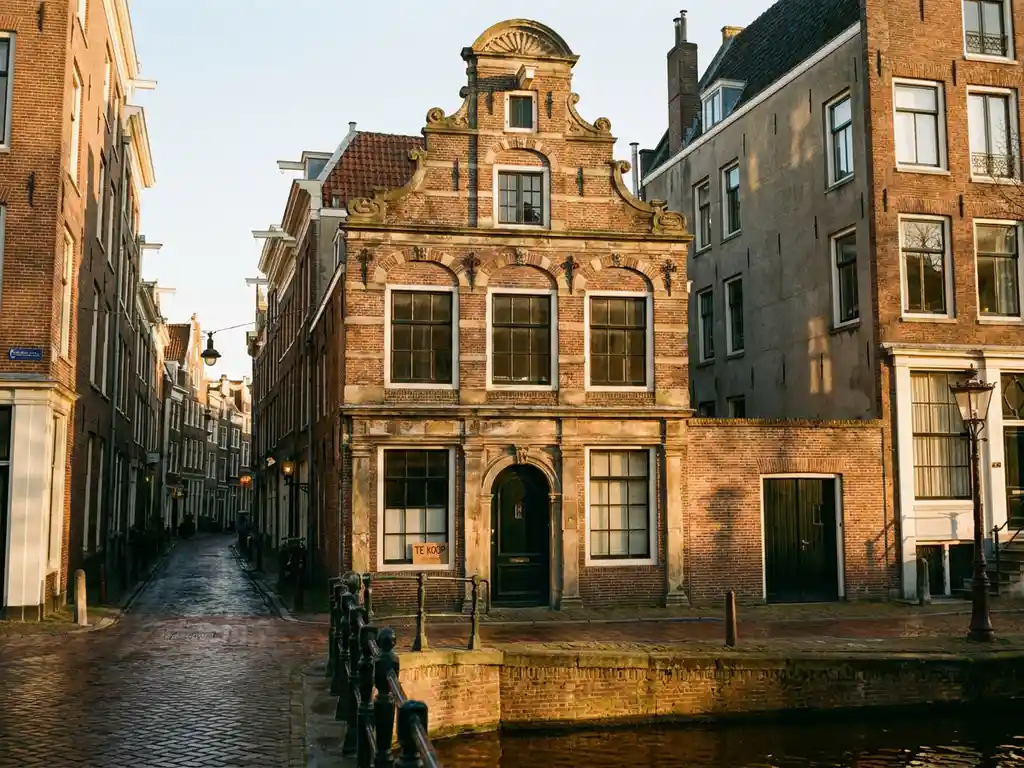
Selling a home in a protected townscape works largely the same as a standard property sale, but with a number of important additional rules. As a seller, you generally do not need a special permit for the sale itself, but renovations or alterations to the property are subject to strict regulations. In this article, we answer the most frequently asked questions on this topic, from permits and property value to common mistakes.
What rules apply to homes in a protected townscape?
Homes in a protected townscape fall under supplementary regulations aimed at preserving the historical and architectural character of an area. The municipality sets rules about what you may and may not change on the exterior of your home, such as the façade, roof, windows, and other visible elements. Alterations that affect the appearance of the property or the street are almost always subject to permit requirements.
A protected townscape is designated by the national government or the municipality. In Amsterdam, there are several such areas, including the historic canal ring district, which is listed as a UNESCO World Heritage Site. Within these areas, so-called zoning regulations apply, and sometimes additional aesthetic standards. This means the municipality assesses whether planned changes are in keeping with the character of the area.
In practice, the rules include:
- No alteration of the original façade layout without a permit
- Use of materials consistent with the historical context
- Restrictions on rooftop additions, dormer windows, or extensions
- Mandatory consultation with the aesthetics committee for renovation plans
As an owner, you are responsible for complying with these rules, even if you intend to sell the property. Any unauthorized renovations carried out in the past can cause problems during a sale.
Do you need a permit to sell your home in a protected townscape?
No, you do not need a special permit to sell your home in a protected townscape. The sale transaction is unrestricted and does not require approval from the municipality or a heritage authority. However, it is important that all previously completed renovations or alterations to the property have been properly permitted or comply with the applicable regulations.
If alterations to the exterior of the property were made in the past without a permit, this can lead to complications during the sale. A buyer or their mortgage lender may request proof that all changes were carried out legally. In some cases, the municipality may take enforcement action, even if the violation occurred many years ago.
If you want to make changes to the property before selling in order to increase its value or improve its presentation, it is advisable to check in advance whether an environmental permit is required. You can do this through the Environmental Permit Portal or by contacting the municipality directly.
What effect does a protected townscape have on property value?
A protected townscape generally has a positive effect on property value. Homes in historic, protected areas are highly sought after for their character, location, and the assurance that the surrounding environment will not change dramatically. This gives buyers a sense of stability and authenticity that is not always present in ordinary neighborhoods.
That said, there are also downsides that can affect value. The restrictions on renovations make it more difficult to adapt the property entirely to your own preferences. Sustainability improvements — such as installing solar panels on a visible roof surface or replacing historic windows with modern alternatives — are often subject to restrictions. This can be a barrier for some buyers.
On balance, homes in protected townscapes in cities such as Amsterdam typically achieve higher prices per square meter than comparable properties outside the protected area. The unique location and historic character play a significant role in this. As a seller, it is worth using this as a key selling point.
What does the sales process look like, step by step?
The process of selling a home in a protected townscape largely follows the standard steps of a property sale, but requires extra attention at several points to the specific regulations that apply to the area.
- Valuation: Have a valuation carried out by a real estate agent who is familiar with the protected area and the associated market conditions.
- Documentation in order: Gather all permits for completed renovations, the energy label documentation, and any ground lease information.
- Presentation and marketing: Professional photography and a listing that highlights the historic character will attract the right buyers.
- Viewings and negotiations: Answer questions from prospective buyers about the property’s restrictions and possibilities honestly and in full.
- Purchase agreement: Ensure that all relevant information about the protected townscape, any restrictions, and the status of permits is included in the purchase agreement.
- Notarial transfer: The transfer of ownership takes place at the notary’s office, where it is also verified that there are no outstanding obligations or objections.
Transparency is important at every stage. As a seller, you are legally required to disclose any known defects or restrictions. This also applies to any disputes with the municipality regarding unauthorized alterations.
What should buyers know before purchasing a home in a protected townscape?
Buyers considering a home in a protected townscape should be well aware of the restrictions that come with the property. The scope for renovations, extensions, and sustainability improvements is more limited than with an ordinary home, and this has implications for both the living experience and future resale potential.
Key considerations for buyers:
- Permit history: Check whether all alterations to the property have been properly permitted. Ask the seller for documentation and, if necessary, consult the municipal archive.
- Sustainability options: Ask which sustainability measures are permitted. Consider insulation, heat pumps, or solar panels on non-visible roof surfaces.
- Ground lease: In Amsterdam, many properties sit on leasehold land. Find out about the ground lease terms and the scheduled review dates.
- Aesthetic standards: Understand which rules apply to future changes to the façade or roof.
- Structural survey: Historic properties can sometimes have specific maintenance issues. A structural survey provides insight into the condition of the property.
Thorough preparation prevents surprises after purchase. Buyers are well advised to engage a buyer’s agent with experience in properties within protected areas.
What mistakes do sellers most commonly make in a protected townscape?
Sellers in a protected townscape regularly make mistakes that slow down the sales process or reduce the final sale price. The most common mistake is failing to have permit documentation in order, which causes buyers to pull out or negotiate the price down.
Other common mistakes include:
- Failing to disclose unauthorized alterations: This can lead to legal issues after the sale and is in breach of the seller’s duty of disclosure.
- Underestimating the preparation required: A property in a historic area deserves extra care in its presentation. Poor photographs or a generic listing do not do the property justice.
- Unrealistic price expectations: While protected townscapes typically achieve higher prices, there are also restrictions that can weigh on value. A well-founded valuation is essential.
- Informing buyers about restrictions too late: Buyers who only discover the applicable restrictions late in the process will either pull out or demand a lower price.
- Not accounting for the timeline: The additional documentation and any buyer questions regarding heritage requirements can slow the process down. Plan for this accordingly.
How we help you sell your home in a protected townscape
Selling a home in a protected townscape requires specific knowledge of both the local market and the applicable regulations. At Urban Homies, we guide you from the initial conversation through to signing at the notary’s office, with attention to every detail that comes with this type of property.
What we do for you:
- An accurate property valuation based on current market conditions and the specific characteristics of the protected area
- A tailored marketing strategy, including professional photography and a listing that highlights the historic character of your home
- Support with gathering documentation, including permit history and ground lease information
- Full support throughout negotiations and the notarial transfer
Would you like to know what your home is worth or how we approach the sales process for you? Get in touch for a no-obligation conversation. Or read more about our sales guidance and what we can do for you.