
Small adjustments can quickly add several thousand euros to the sale value of your home — no major renovation required. The biggest gains come from things buyers notice immediately: a well-maintained appearance, a fresh finish, and an energy-efficient property. In this article, we answer the most frequently asked questions about smart improvements for selling your home.
Which improvements deliver the most value when selling?
The improvements that deliver the most value when selling your home are those that enhance the first impression and eliminate technical concerns. Think fresh paint, well-maintained floors, a tidy bathroom and kitchen, and a neat exterior. These changes are relatively inexpensive but have a significant impact on how buyers perceive your home.
Buyers decide within the first few minutes whether a home appeals to them. Anything that puts them off — outdated colors, damaged walls, or an untidy garden — reduces their willingness to pay the asking price. By focusing on visible improvements, you give buyers the sense that the home has been well cared for, which builds confidence and strengthens your negotiating position.
The improvements with the best cost-to-return ratio are:
- Interior painting in neutral tones such as white, light gray, or beige
- Sanding or replacing floors if they are worn or damaged
- Improving lighting with bright, warm bulbs in every room
- Fixing minor defects such as dripping faucets, loose handles, or creaking doors
- Decluttering and depersonalizing so buyers can picture themselves in the space
What does a decluttered and styled home do for the sale price?
A decluttered and styled home attracts more buyers, leads to higher offers, and typically sells faster. Styling helps buyers see the potential of a space, while a cluttered or overcrowded home makes the same space feel smaller and less appealing. The effect on the sale price can be noticeable, even without expensive furniture or renovations.
Home staging — the professional arrangement and styling of a home for sale — is becoming increasingly popular. The foundation of a good presentation is not luxury, but logic: every room has a clear purpose, there is plenty of light, and the home feels clean and spacious.
Practical steps that make an immediate difference:
- Remove personal photos, busy decorations, and excess furniture
- Ensure a neutral scent: no strong fragrances, but no musty odors either
- Add greenery with houseplants or fresh-cut flowers for a lively feel
- Clean the home thoroughly, including windows, grout, and kitchen cabinets
Professional photography plays a major role in this. Homes that are presented well online attract more viewings, which increases the likelihood of a higher sale price.
How much value does a refreshed bathroom or kitchen add?
A refreshed bathroom or kitchen adds value to your home, but a full renovation is rarely necessary before selling. Targeted improvements — such as new faucets, different floor tiles, or updated cabinet doors — create a fresh impression without the cost of a complete remodel. Buyers pay close attention to the condition of these rooms, but often want to customize the kitchen and bathroom to their own taste anyway.
The rule of thumb is: make sure the space looks clean, functional, and neutral. An older but well-maintained kitchen scores better than a damaged or dirty modern one. Small changes that deliver strong results:
- Kitchen: new handles, freshly painted cabinet doors, a clean range hood, and modern lighting
- Bathroom: new silicone sealant, a modern showerhead, clean grout, and a tidy mirror
Invest your budget in visible details rather than expensive structural changes. A buyer who purchases the home at a fair price is willing to renovate the kitchen themselves later. What they will not accept is a space that looks neglected.
How does energy efficiency affect sale value?
Energy efficiency has an increasingly significant impact on home sale values. A home with a high energy rating, such as A or B, is more attractive to buyers because monthly energy costs are lower. Homes with a poor energy rating, such as E, F, or G, are harder to sell and often go for a lower price — especially as energy costs and sustainability requirements receive more attention.
Buyers and mortgage lenders are paying close attention to energy ratings. Some banks offer more favorable mortgage terms for homes with a good rating, which further increases demand for energy-efficient properties.
Improvements that raise the energy rating and increase sale value:
- Roof insulation is one of the most effective measures
- Floor and cavity wall insulation noticeably reduces energy consumption
- Double or triple glazing replaces outdated windows
- A hybrid heat pump or high-efficiency boiler replaces an old central heating system
- Solar panels increase appeal, though buyers will factor in the remaining lifespan
Have you already made improvements? Request an updated energy certificate through a certified assessor. An updated rating makes your investment visible in the sales listing.
Which exterior improvements attract more buyers?
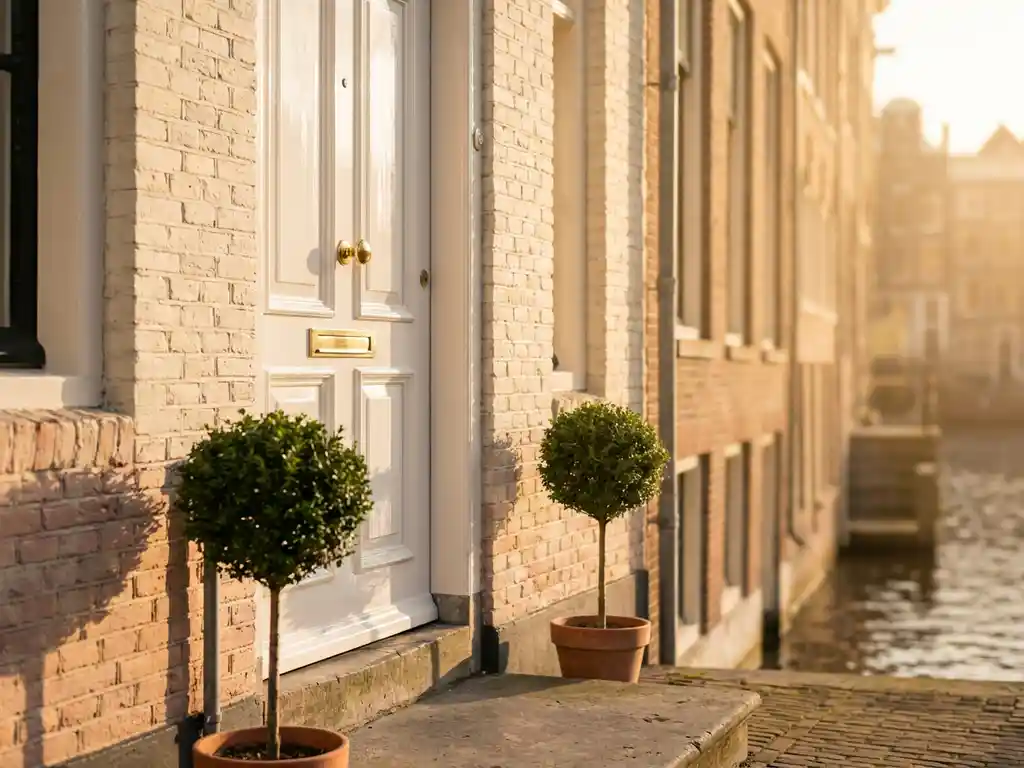
The exterior of your home is the first thing buyers see — both during a viewing and in photos online. A well-kept front garden, a clean facade, and a tidy front door immediately create a positive first impression. Buyers who arrive with a positive feeling are more willing to pay a higher price than those who already have doubts at the front door.
You do not need to renovate the exterior to make a big difference. These improvements are affordable and effective:
- Painting or replacing the front door in a fresh, attractive color
- Cleaning the facade to remove stains, moss, or dirt
- Tidying the front garden and maintaining or refreshing the planting
- Replacing the mailbox, house number, and exterior lighting if they look worn
- Pressure washing the driveway or paving for a neat appearance
The same principle applies to homes with a back garden or terrace: a tidy, green outdoor space significantly increases appeal. Buyers see a garden as additional living space, and it needs to look inviting.
When is it better to bring in a real estate agent for advice?
It is wise to consult a real estate agent as soon as you are seriously considering selling your home — ideally before you start making any changes. An agent knows the local market and understands which improvements will deliver the most value in your specific situation and neighborhood. This helps you avoid investing in changes that buyers in your area do not value.
A real estate agent also helps you determine the value of your home, so you can set a realistic asking price. This matters, because a price that is too high puts buyers off, while a price that is too low leaves money on the table. In addition to pricing, a good agent advises on presentation, sales strategy, and the right time to bring your home to market.
Be sure to bring in a real estate agent if:
- You are unsure how to accurately assess your home’s market value
- You are uncertain which improvements are worth making
- You want to hand off negotiations with buyers
- You want the legal and administrative side of the sale handled professionally
How we help you sell your home
At Urban Homies, we guide you from the initial sales consultation through to the transfer at the notary. We start with a thorough valuation of your home and an analysis of local market conditions, so we can work together to set a well-founded and competitive asking price. We then develop a tailored marketing strategy, including professional photography and a compelling listing that positions your home effectively in the market.
What you can expect from us:
- Personalized advice on which improvements will deliver the most value for your home
- Professional presentation with photography and custom listing copy
- Support during viewings, negotiations, and the legal process
- Follow-up after signing at the notary
Want to know what your home is worth and how to increase its sale value strategically? View our sales guidance services or get in touch for a no-obligation conversation.